Overview
Ujung Kulon National Park is located at the western tip of Java Island, Indonesia. Covering an area of approximately 122,956 hectares (443 km² of which is marine), the park stretches from the Ujung Kulon headland to the Indian Ocean. It includes the Krakatau Nature Reserve and several small islands such as Handeuleum Island and Peucang Island.
Recognized as the first national park in Indonesia and designated a UNESCO World Natural Heritage Site in 1991, Ujung Kulon is home to pristine tropical forests and rare wildlife. The park is globally significant as the last natural habitat of the endangered Javan rhinoceros, with an estimated population of 50–60 individuals.
Originally an agricultural area, Ujung Kulon was transformed into dense forest after the catastrophic eruption of Mount Krakatoa in 1883. Today, it stands as a national treasure, supported by UNESCO through financial and technical assistance for conservation.
Visitors can obtain entry permits at the National Park Headquarters in Labuan or Tamanjaya, with lodging available on Handeuleum Island and Peucang Island.
Main Attractions in Ujung Kulon National Park
Panaitan Island
- Area: ± 17,000 ha
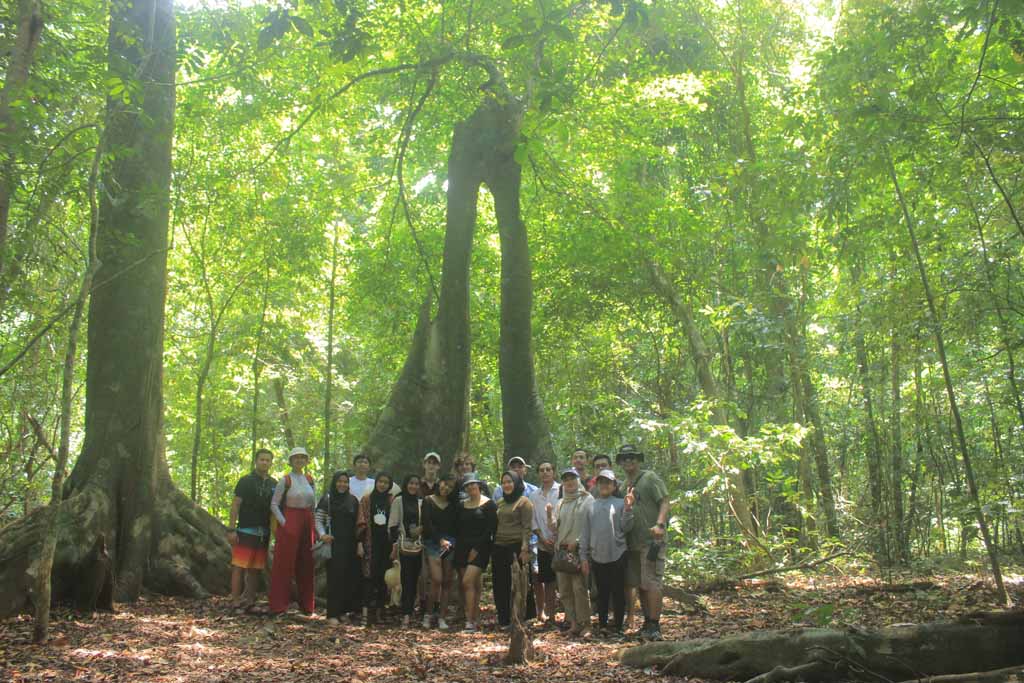
- Features pristine jungle vegetation including mangrove, beach forest, and lowland rainforest.
- Wildlife: deer, mouse deer, wild boar, long‑tailed monkeys, crocodiles, lizards, pythons, and diverse bird species.
- Cultural Heritage: Ancient Hindu relics such as the Ganesha statue at Mount Raksa.
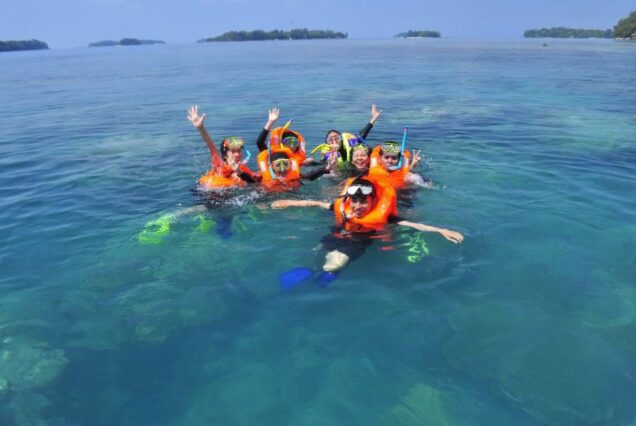
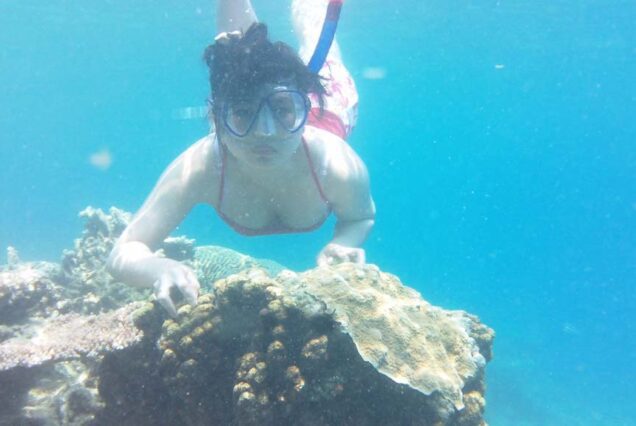
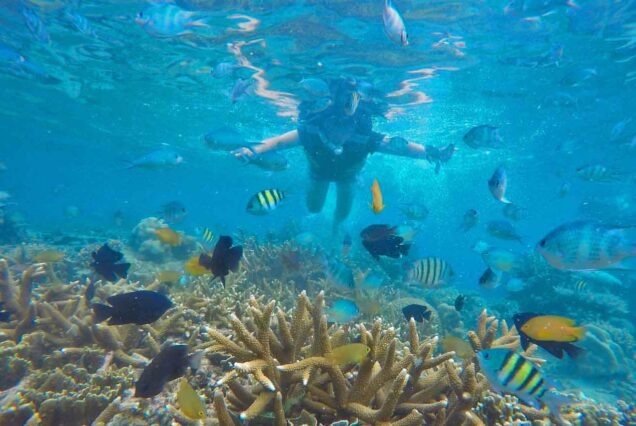
- Activities: Diving, snorkeling, and surfing on rocky and sandy beaches with coral reefs.
Peucang Island
- Area: ± 450 ha
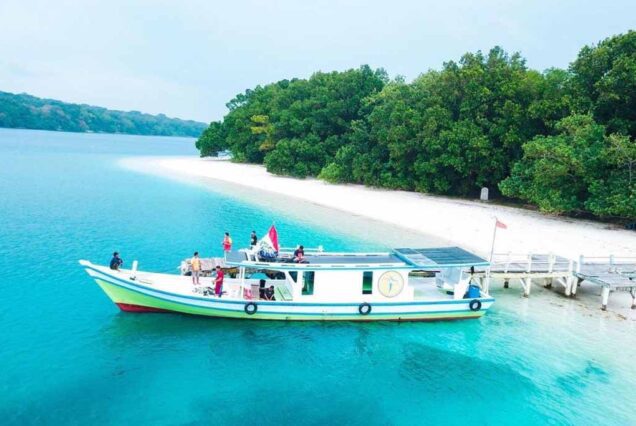
- Most visited destination by domestic and international tourists.
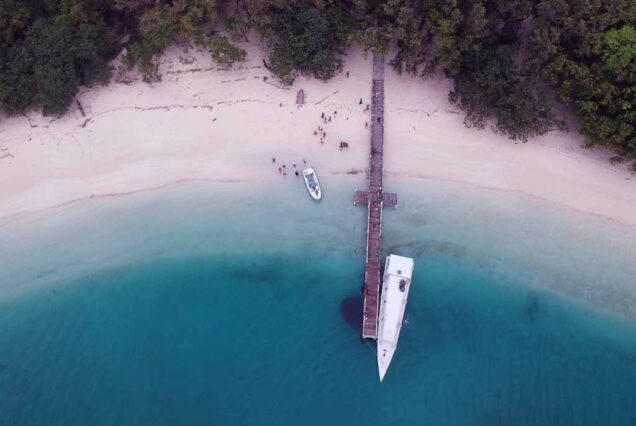
- Facilities: Lodging, information center, pier, and visitor infrastructure.
- Attractions:
- White sandy beaches with clear waters.
- Trekking to Karang Copong.
- Swimming, snorkeling, and diving.
- Wildlife viewing at Cidaon savanna (bulls, peacocks, deer, boars).
- Historical sites: Tanjung Layar Lighthouse and Dutch colonial dock remains at Tanjung Layar and Cibom.
Handeuleum Island
- Area: ± 220 ha
- Surrounded by mangrove forests, home to deer and pythons.
- Attractions:
- Canoeing along the Cigenter River, passing tropical rainforest and bamboo groves.
- Exploring Cigenter grazing fields and Cikabeumbeum waterfall, ideal for 2‑day excursions.
- Wildlife spotting and river adventures in a pristine ecosystem.
Mount Honje
- Area: ± 19,500 ha
- Surrounded by 19 buffer villages, with Tamanjaya village as the main gateway.
- Attractions:
- Cibanua Fisherman’s Village
- Cipaniis Waterfall
- Cibiuk Hot Springs
- Cikacang Waterfall with Javan gibbon sightings
- Facilities: Lodging, boat rentals, local guide associations, and souvenir shops featuring rhino sculptures.
Mount Krakatoa
- Location: Sunda Strait between Java and Sumatra.
- Famous for its historic eruption in 1883, which reshaped the region.
- Attractions today:
- Snorkeling at Lagoon Cabe
- Hiking Child of Krakatoa (Anak Krakatau)
- Relaxing on beaches of surrounding small islands
Why Visit Ujung Kulon National Park?
- UNESCO World Heritage Site with rare wildlife and pristine forests.
- Home to the endangered Javan rhinoceros.
- Diverse attractions: islands, savannas, rivers, waterfalls, and volcanoes.
- Activities: trekking, snorkeling, diving, canoeing, surfing, wildlife viewing, and cultural exploration.
- Accessible from Jakarta via Labuan or Tamanjaya.
Booking
Ready to explore the wonders of Ujung Kulon National Park? From snorkeling in Peucang’s clear waters to trekking Panaitan’s jungles and witnessing Krakatoa’s volcanic landscapes, this UNESCO World Heritage adventure is a once‑in‑a‑lifetime experience. Secure your spot today and enjoy guided tours, conservation visits, and authentic island stays. Book now to guarantee availability and make your West Java journey unforgettable.